







Search Results for: Pegasus Dripper
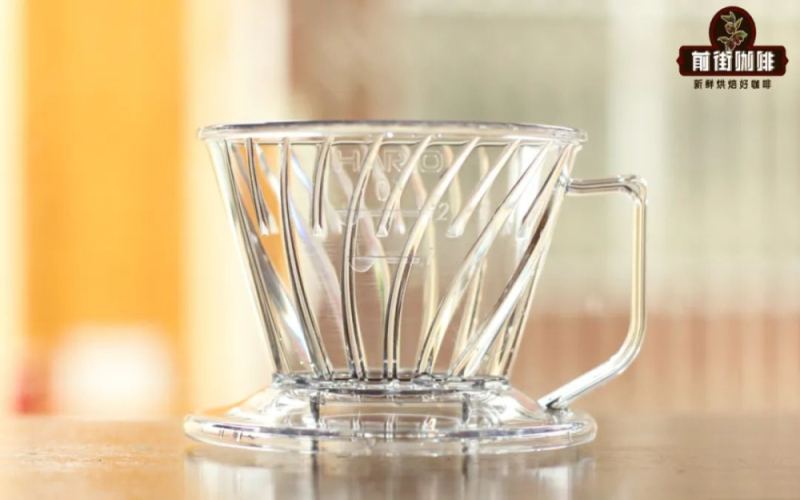
An In-Depth Analysis of the Hario Pegasus Dripper: Boat-Shaped Design, Trapezoidal Structural Differences, and Real-World Brewing Performance
In addition to the V60, Hario has also released a uniquely shaped Pegasus dripper. It resembles a trapezoidal dripper in appearance, yet has undergone significant improvements in its flow guides, base structure, and cup holder design. The spiral flow guides deliver a drainage speed close to that of the V60, while the flat-bottom dual-hole design makes extraction more even. Viewed from above, the oval base looks just like a little boat, which is how it came to be called the boat-shaped dripper. Front Street Coffee conducted a comparative brew using this dripper and the V60 with the same Finca El Diviso Sidra coffee beans; the flavor profiles were similar, but the Pegasus dripper produced a softer acidity. This article provides a complete breakdown of its structural features, filter paper compatibility, the purpose of the measurement lines, and the conveniences and drawbacks encountered in actual brewing. [more…]
Front Street Colombia Red Wine Processing Method Explained: Key Points of Red Honey, Natural, and Washed Processing and Fermentation Control
This article focuses on a Colombian red wine process coffee bean launched by Front Street Coffee, providing a detailed introduction to its complete process from depulping and washing to 20.6 hours of fermentation in a no-water fermentation tank and then 10 days of sun drying on raised beds, and sorting out core information such as producing region, estate, altitude, bean variety, and cupping. It also compares the flavor differences between acetic acid fermentation and lactic acid fermentation, explains the distinction between traditional manual operation and controllable fermentation methods in terms of quality stability, and offers grinding size recommendations using the Yangjia Little Pegasus grinder as a reference, so coffee enthusiasts can adjust flexibly according to actual brewing conditions. [more…]
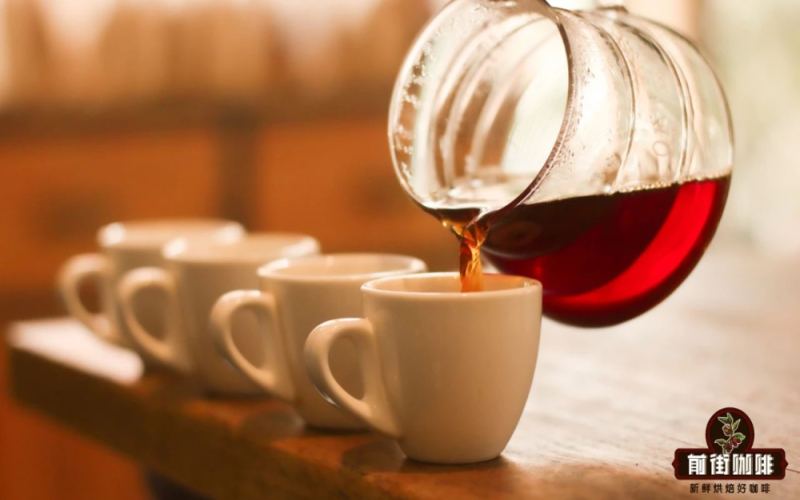
Hand Drip Coffee | What is the difference between hand drip coffee and Americano? Is hand drip coffee tastier than the black coffee made by an espresso machine?
Recently, a fan left a comment asking about the flavor differences when using the same coffee beans to make pour-over coffee versus Americano. In this article, Front Street Coffee will answer this question~ Before we begin, we first need to distinguish the differences between pour-over coffee and Americano. Pour-over coffee in English is pour ov [more…]
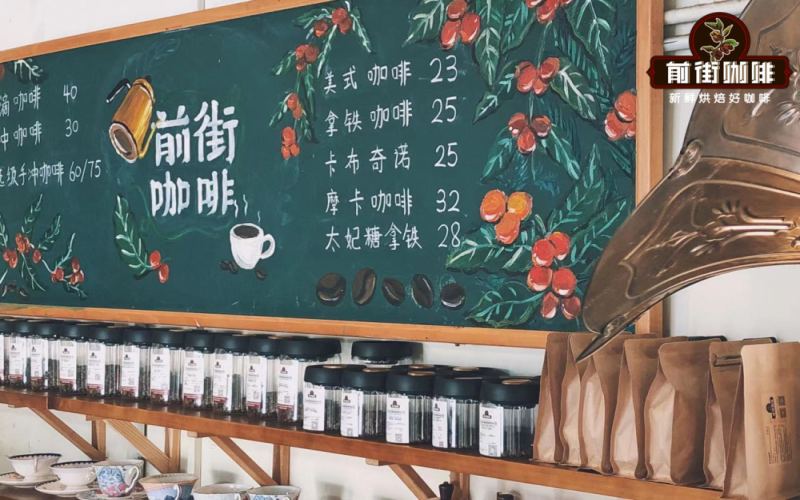
How to Drink SOE Coffee Correctly | Pros and Cons of SOE Espresso Beans and How to Choose Them? How to Use SOE Beans to Make a Delicious Americano?
Recently, SOE espresso has become very popular, and many coffee shops have made SOE coffee a main selling point. Many people also ask Front Street Coffee (FrontStreet Coffee) what the difference is between SOE coffee and blended coffee, and whether SOE coffee is necessarily better tasting than blended espresso. [more…]
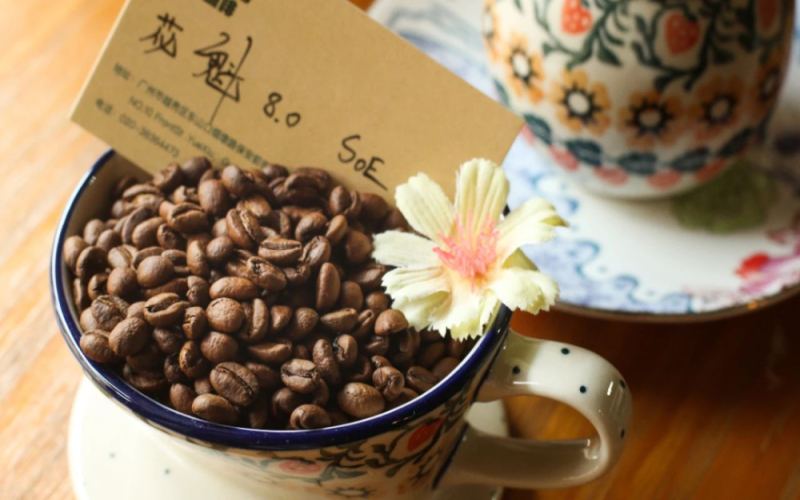
SOE Coffee Beans | What is the full name of SOE? Are SOE beans used for espresso or pour-over coffee? How big is the difference between SOE beans and single-origin pour-over beans?
More and more specialty coffee shops on the market are seeing a trend of SOE espresso, and many friends who come to Front Street Coffee (FrontStreet Coffee) also ask if there is SOE coffee~ Front Street Coffee (FrontStreet Coffee) stores currently offer [more…]

The Golden Rules of Espresso Extraction | Why Drink Ice Water When Tasting Espresso? What Factors Affect the Flavor and Mouthfeel of Espresso?
For more specialty coffee knowledge, please follow our WeChat official account: FrontStreet Coffee. In the cold winter, many friends often visit Front Street's store and, as soon as they walk in, ask for a warm hot latte. After tasting the rich boozy aroma in Front Street's latte, they all want to [more…]
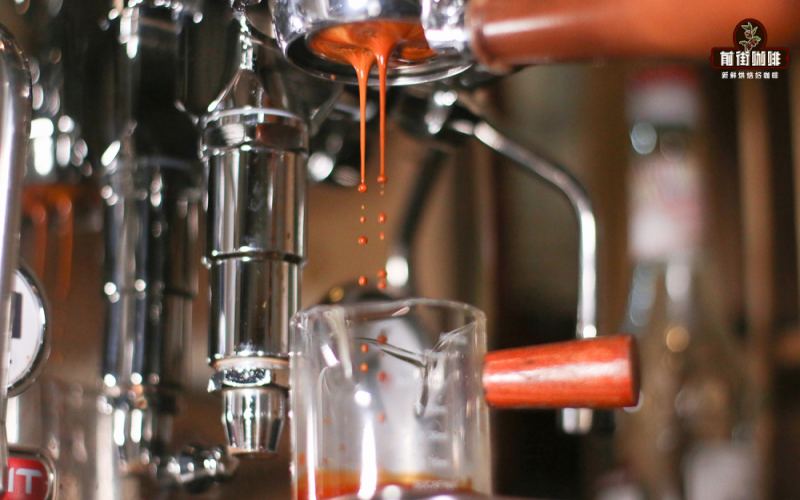
A Comprehensive Analysis of Espresso Extraction: Water-to-Coffee Ratio, Golden Parameters, and Key Operational Points Explained
The extraction of espresso is extremely sensitive to parameters, with dose, brew ratio, time, flow rate, pressure, and temperature all interconnected; the slightest deviation is magnified exponentially in the flavor. This article systematically sorts out the core logic of various espresso extraction parameters, analyzing the matching of basket capacity and dose, the liquid weight ratio range of 1:1.5 to 1:2.5, the extraction window of 20 to 30 seconds, as well as common issues such as grind size and channeling. It also details operational specifics like weighing the dose, distributing the grounds, tamping, and cleaning. At the end, Front Street Coffee recommends a classic espresso blend to help you consistently produce delicious espresso at home. [more…]
A Detailed Guide to Espresso Extraction Parameters and Tasting Methods
Espresso may seem like it only requires a few simple steps—dosing, distributing, and tamping—but pulling a cup of outstanding Espresso involves precise control of multiple variables behind the scenes, including pressure, water temperature, dose, and time. Starting from the actual output at Front Street Coffee shops, this article systematically reviews the evolution of extraction parameters and the logic behind their adjustment, introduces the recipe composition and flavor performance of the Sunflower Warm Sun blend, and explains in detail the proper way to taste espresso, as well as a specific plan for making pour-over coffee with the same beans. [more…]
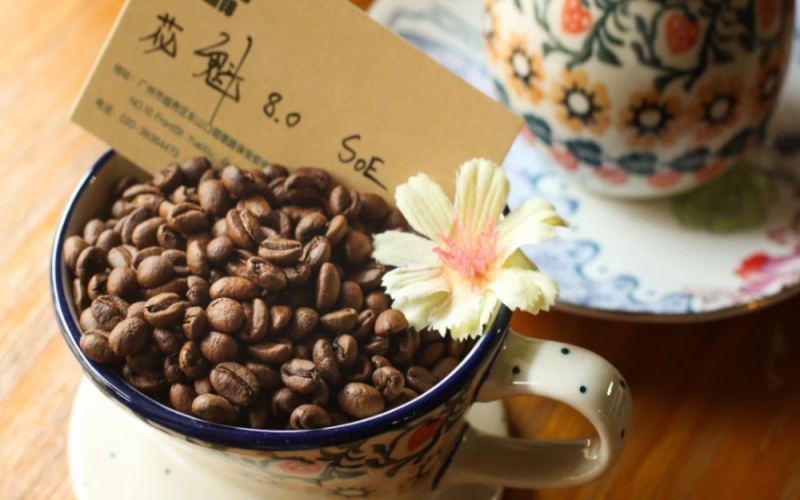
What Is SOE Espresso? How Is It Different from Pour-Over Single-Origin Beans? Understanding Single-Origin Espresso in One Article
In recent years, SOE espresso has become increasingly common in the specialty coffee scene, yet many people remain confused about its full name, its definition, and its relationship to single-origin beans used for pour-over. SOE is short for Single Origin Espresso, referring to espresso made from a single origin. It is not synonymous with specialty coffee, but the high-pressure extraction of an espresso machine makes the flavors of the origin more pronounced. However, a single origin also means that flaws can easily be magnified, so bean selection, roasting, and grinding all require particular care. From the perspective of Front Street Coffee, this article sorts through the origins of the SOE concept, its differences from espresso blends, recommendations for coffee beans suitable for SOE, and shares specific extraction parameters and production considerations, giving you a comprehensive understanding of this trend. [more…]
Flat White | Which coffee beans are suitable for making a Flat White? Is there a difference in the coffee-to-milk ratio between a Flat White, a Latte, and a Cappuccino?
For more specialty coffee knowledge, please follow our WeChat public account: Front Street Coffee (FrontStreet Coffee). When it comes to espresso, everyone will definitely think of lattes, cappuccinos, mochas, and so on, but very few people mention the Flat White. So what kind of drink is this? [more…]
Blue Mountain No. 1 vs. Espresso Coffee Beans: A Comparative Analysis of Their Differences and the Flavor Performance of Single-Origin Blue Mountain in Espresso
Many coffee enthusiasts are curious: what exactly is the difference between Front Street Blue Mountain No. 1 coffee and espresso? Simply put, Blue Mountain No. 1 is a single-origin coffee bean, made from the Typica variety (with Geisha added in 2020), and is usually extracted by pour-over; espresso, on the other hand, mostly uses blend beans (single-origin beans can also be used), and the concentrated liquid is quickly extracted under high pressure by a coffee machine. This article will systematically sort out the origin background, variety characteristics, processing method evolution, and brewing parameters of Front Street Blue Mountain No. 1, while also explaining in detail the definition of espresso, the formula and extraction standards of Front Street Warm Sun Blend, helping readers fully understand the essential differences between the two types of coffee and their respective flavor characteristics. [more…]
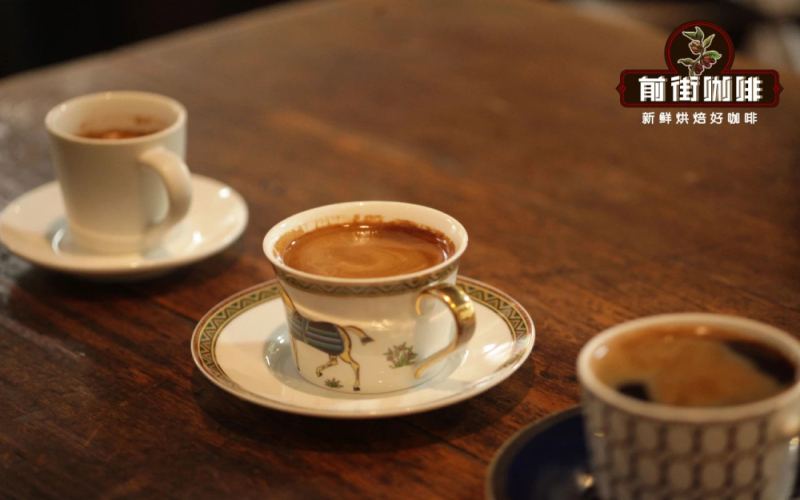
What's the difference between a flat white and a latte? A full comparison of milk foam thickness, cup-to-shot ratios, and espresso base.
In espresso coffee, the latte and the Flat White are two milk coffees that are often compared. Although both are made up of espresso and milk, there are clear differences in milk foam thickness, cup size, espresso base selection, and final taste. This article systematically sorts out the core differences between the Flat White and the latte, from their origins and background to preparation parameters and actual serving standards, and also includes Front Street Coffee's specific extraction plan and milk steaming suggestions, to help coffee lovers more clearly understand the essential differences between these two drinks and reproduce the ideal flavor at home. [more…]
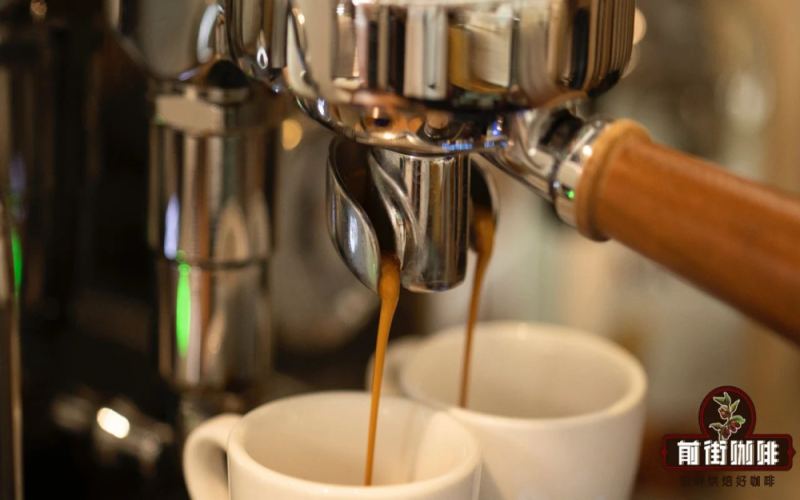
Analysis of Concentration Differences Between Flat White and Latte: A Guide to Choosing Espresso Blend Beans
Which is actually more intense, a flat white or a latte? What differences do the two have in espresso base, milk foam thickness, and cup size? Starting from the serving standards of Front Street Coffee, this article compares the preparation parameters of flat whites and lattes in detail, and further explores what kind of blend beans are suitable for espresso. The article also introduces the flavor characteristics and formula ratios of four espresso beans from Front Street—Sunflower Warm Sun, Specialty Blend, Commercial Blend, and Dark Cocoa Blend—to help coffee lovers choose the right espresso beans according to their personal taste. [more…]

How to Distinguish a Flat White from a Latte? A Guide to Choosing Espresso Beans and Front Street Coffee's Blend Recommendations
Flat White and Latte are often lumped together, but the two have clear differences in espresso base, milk volume, milk foam thickness, and serving temperature. Starting from Front Street Coffee's production standards, this article compares in detail the differences between Flat White and Latte in cup size, ratio, and flavor, and systematically explains the logic of choosing espresso beans—why light roasts are unsuitable for espresso, and why blended beans have become the mainstream. It also introduces the formulas and flavor characteristics of four espresso beans from Front Street Coffee: Sunflower Warm Sun, Specialty Blend, Commercial Blend, and Dark Cocoa Blend, helping coffee lovers find the espresso blend beans that suit their taste. [more…]
Colombia Huila Region Flower Moon Night Coffee Beans: A Complete Analysis of Anaerobic Natural Processing, Roasting Curve, and Pour-Over Parameters
The Huila Department of Colombia is renowned for its refined acidity and berry-like sweetness, while the Huayueye microlot bean further presents a complex profile of strawberry jam, liqueur-filled chocolate, and creamy fermentation through its anaerobic natural process. In this article, Front Street Coffee begins with Colombian coffee culture, reviewing the terroir of the Huila growing region, the characteristics of the Caturra variety, and the low-temperature slow fermentation processing at the Gading Farm, and also discloses the roasting curve of the Yangjia Pegasus 800N, the cupping results, and the V60 staged brewing parameters, providing coffee enthusiasts with a complete reference for tasting and hands-on practice. [more…]
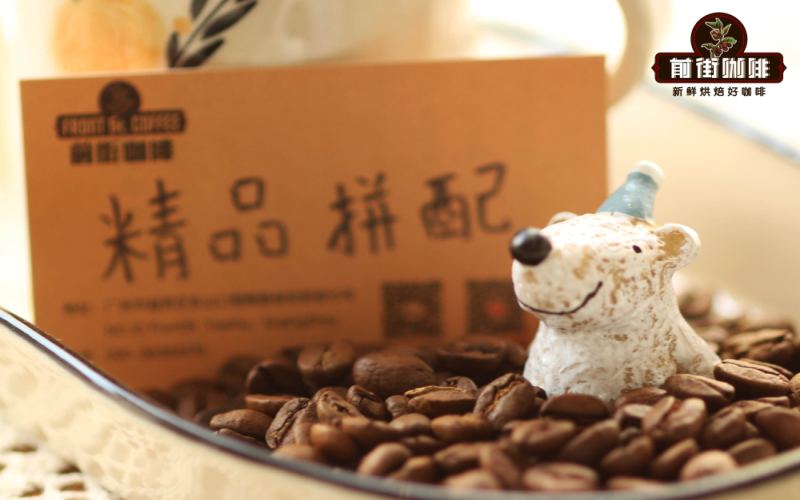
The Four Major Basic Principles of Blending Coffee Beans | What Is the Biggest Difference Between Single-Origin Pour-Over Coffee Beans and Blended Coffee Beans?
For more specialty coffee knowledge, please follow: Front Street Coffee (Frontsteet Coffee). Front Street has its own views on coffee bean blending. Because at Front Street there is a blend belonging to a new style, named Sunflower Warm Sun Comprehensive Blend. This blended coffee bean uses two different producing [more…]
Front Street Colombian Wine Processed Coffee: Medium Roast Flavor Analysis and Pour-Over Parameter Sharing
This Colombian red wine process coffee from Front Street Coffee offers rich layers of flavor, with maple syrup sweetness interwoven with malt sugar aroma, lively and bright citric acidity, an impressively creamy and full-bodied mouthfeel, and a clean finish with a long-lasting sweet aftertaste. It is medium-roasted and packaged in a half-pound bag with a one-way degassing valve, suitable for pour-over, siphon, or cloth filter brewing. This article will provide a detailed introduction to this bean's processing method and origin information, along with suggested pour-over parameters for coffee enthusiasts to reference and adjust. [more…]
Cold Brew Coffee Maker Operation Guide: From Bean Selection to Extraction, a Step-by-Step Guide to Making Café-Quality Cold Brew Coffee
Cold brew coffee, with its pure, smooth mouthfeel and distinctly layered flavors, has become the top choice for many coffee lovers during the hot season. Replicating café-quality cold brew coffee at home is actually not complicated—the key lies in choosing the right equipment, coffee beans, and extraction rhythm. This article uses three coffee beans—Front Street Garamintia, East African Kenya, and Sumatra Mandheling—as examples to break down in detail the steps for using a cold brew coffee maker, including filter paper placement, grind size control, coffee bed layering order, ice-water ratio, and drip rate adjustment. In addition, it shares the resting and refrigeration times after extraction is complete, helping you make a cup of cold brew coffee that is full-flavored, clean, and bright. [more…]
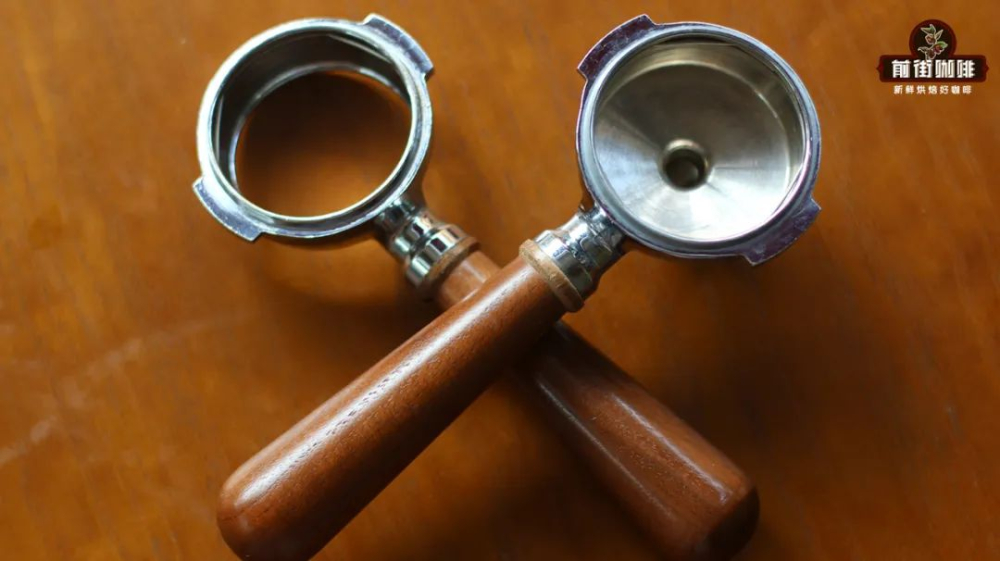
Espresso Bottomless Portafilter | What's the Difference Between a Spouted and Bottomless Portafilter on an Espresso Machine? Which Coffee Portafilter Is Suitable for Coffee Beginners?
For more specialty coffee knowledge, please follow our WeChat official account: Front Street Coffee (FrontStreet Coffee). The coffee extraction portafilter is an important tool for semi-automatic espresso machines. There are mainly two types of coffee portafilters: the first is the bottomed split portafilter, and the second is the bottomless straight-out portafilter. [more…]
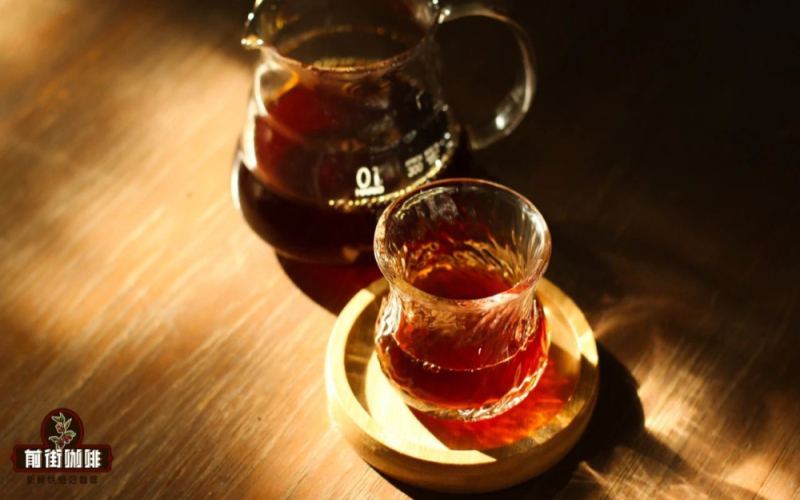
A Beginner's Guide to Pour-Over Coffee: Equipment Recommendations, Brewing Step-by-Step Guide, and Cost-Effective Everyday Beans
The appeal of pour-over coffee lies in the fact that everyone can brew a flavor that is uniquely their own. This article is aimed at home enthusiasts and small coffee shops, and provides a systematic overview of all the equipment needed to get started with pour-over—from gooseneck kettles, drippers, and grinders to filter papers, digital scales, thermometers, and carafes—offering an analysis of the pros and cons of specific brand models along with purchasing advice, and including a complete eight-step brewing tutorial. Finally, it recommends several highly cost-effective Front Street single-origin coffee beans, at a cost of only about six yuan per cup, making them ideal for daily practice and home enjoyment. [more…]